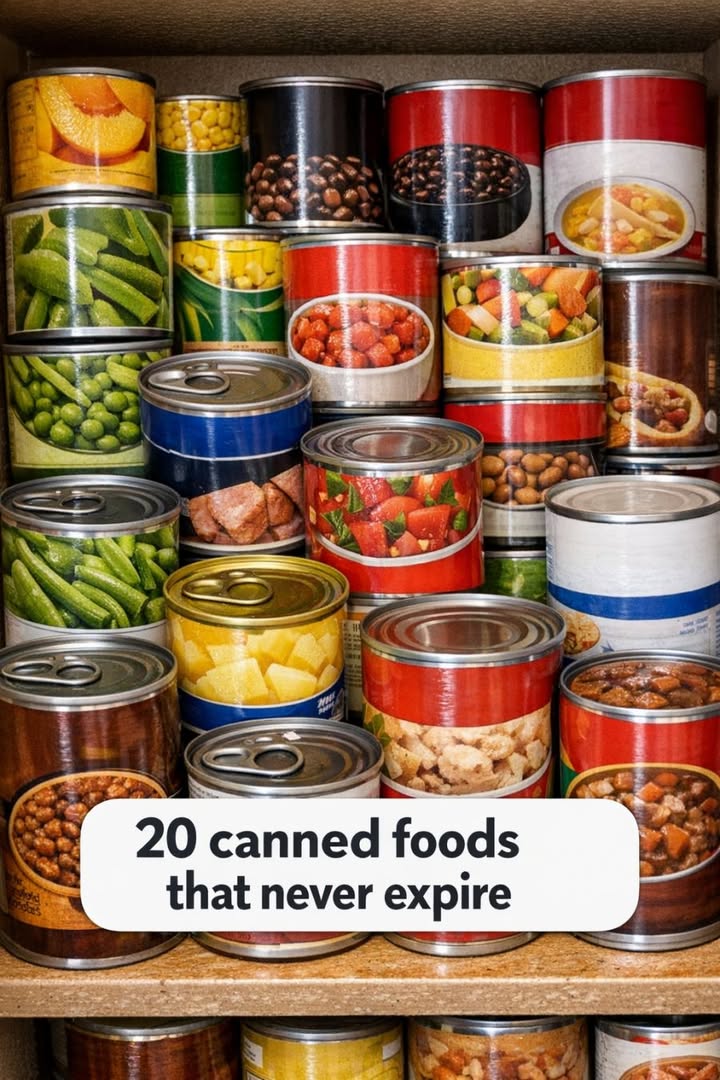
Canned foods have long been a staple in households around the world, prized for their convenience, affordability, and, most importantly, their extended shelf life. While most canned goods come with a 'best by' date, there are certain canned foods that, under the right conditions, can last indefinitely. These foods provide not only sustenance in times of need but also reassurance for those looking to maintain a well-stocked pantry.
In this article, we'll explore 20 canned foods that seemingly never expire. From the timeless sweetness of honey to the enduring presence of canned meats, these items not only offer culinary versatility but also peace of mind. So, whether you're preparing for an emergency or just looking to optimize your pantry, these canned foods are essential additions to your stockpile.1. Why Some Canned Foods Seem To Last Forever
The secret to the longevity of certain canned foods lies in the combination of preservation techniques and the inherent properties of the foods themselves. Canning involves sealing food in airtight containers and heating them to temperatures that destroy harmful microorganisms. This process not only extends shelf life but also helps retain the nutritional value of the food.
Certain foods, due to their low moisture content, high acidity, or natural preservatives, have an almost indefinite shelf life when canned. For instance, honey's natural low moisture and high sugar concentration create an inhospitable environment for bacteria, allowing it to last virtually forever. Similarly, the high acidity in tomato paste prevents microbial growth, making it another long-lasting canned item.
2. Canned White Rice: A Virtually Indestructible Staple
White rice, when canned, becomes one of the most resilient staples in your pantry. Its low moisture content and lack of oils make it less prone to spoilage than brown rice, which contains natural oils that can turn rancid over time. In a sealed can, white rice can last indefinitely as long as it remains dry and free from contaminants.
For optimal preservation, ensure the cans are stored in a cool, dry place away from direct sunlight. When opened, the rice should be free from any off smells or discoloration, indicating that it remains safe to consume.
3. Canned Honey: Nature’s Eternal Sweetener
Honey is a remarkable natural product with an indefinite shelf life. Its low water content and high acidity create conditions that prevent the growth of spoilage organisms. In fact, archaeologists have found edible honey in ancient Egyptian tombs, thousands of years old.
When canned, honey benefits from the added protection against moisture and environmental contaminants, ensuring it remains pure and safe for consumption. The key to maintaining honey's quality is to store it in a cool, dry place and keep it sealed tightly to prevent moisture absorption.
4. Canned Sugar Syrups and Sweetened Condensed Milk
Sugar syrups, like corn syrup and molasses, have a long shelf life due to their high sugar content, which acts as a preservative by inhibiting microbial growth. When canned, these syrups are protected from environmental factors that could lead to spoilage.
Sweetened condensed milk, with its high sugar content and low water activity, also enjoys an extended shelf life when canned. Its thick consistency and sweet flavor remain intact over time, making it a valuable ingredient for baking and desserts.5. Canned Salt and Saline Preserves
Salt itself does not spoil, and when used in canned preserves, it acts as a natural preservative by drawing moisture out of the food and creating an environment where bacteria cannot thrive. Saline solutions are commonly used in the canning of vegetables and meats.
Canned salt-preserved foods, such as pickles and olives, benefit from this preservation method, allowing them to maintain their flavor and texture over time. These items should be stored in a cool, dry place to ensure their longevity.
6. Canned Hardtack-Style Biscuits and Crackers
Hardtack, a simple, dense biscuit made from flour and water, has been a staple for sailors and soldiers for centuries due to its durability. When canned, these biscuits are protected from moisture and pests, allowing them to last indefinitely.
Similarly, certain types of crackers, when vacuum-sealed and canned, can also enjoy a long shelf life. These items are perfect for emergency food supplies, providing a reliable source of carbohydrates.
7. Canned Dried Beans and Lentils
Dried beans and lentils are nutrient-dense foods that, when canned, can last for extended periods. The canning process involves sealing them in an airtight environment and cooking them under high pressure, which destroys any bacteria and enzymes that could lead to spoilage.
The key to their longevity is the lack of moisture, which inhibits the growth of microorganisms. These canned legumes can be stored in a cool, dry place and remain a reliable source of protein and fiber.
8. Canned Ghee and Clarified Fats
Ghee, a form of clarified butter, has a much longer shelf life than regular butter due to the removal of milk solids and water during its preparation. When canned, ghee is protected from air and light, factors that can cause fats to go rancid.
Similarly, other clarified fats, such as lard or suet, can also be canned for long-term storage. These fats remain stable and can be used for cooking and baking, providing a source of energy and flavor.
9. Canned Pure Maple and Tree Syrups
20 canned foods that never expire