3-4 Large, Fresh Eggs (room temperature is ideal)
1 tablespoon Unsalted Butter, divided
1 tablespoon Heavy Cream, Whole Milk, or Creme Fraiche
A generous pinch of Kosher Salt (added before cooking)
Freshly Cracked Black Pepper
Optional: 1 tablespoon finely grated Parmesan or a spoonful of cream cheese.
The Non-Negotiable Tools
A small non-stick or well-seasoned carbon steel skillet (8-inch is perfect)
A flexible silicone spatula
A medium bowl and a fork or whisk
The Step-by-Step Method to Flawless Eggs
Step 1: The Gentle Beat (0:00)
Crack your eggs into the bowl. Add the cream/milk and salt. Whisk just until the yolks and whites are fully combined—about 30-40 strokes. You want a uniform color, not a frothy, airy foam. Over-beating incorporates too much air, which can lead to a dry, spongy texture.
Step 2: The Preheated Pan (1:00)
Place your skillet over medium-low heat. Add half the butter. Let it melt and foam slightly, but it should never sizzle violently or brown. The pan should be warm, not hot. If the butter immediately smokes, your pan is too hot.
Step 3: The Pour & The Initial Set (2:00)
Pour in the eggs. They should settle quietly. Let them sit, completely undisturbed, for 20-30 seconds. This allows a thin custard-like layer to set on the bottom.
Step 4: The Fold (The Pivotal Move) (2:30)
Using your spatula, slowly push the set eggs from the edges toward the center. Tilt the pan to let the uncooked egg run into the empty space. Think "folding," not "scrambling." You are creating large, soft curds. Repeat this gentle push-tilt-fold motion every 10-15 seconds.
Step 5: The Off-Heat Finish (6:00-7:00)
When the eggs are about 90% set—still visibly wet and glossy on top, but no longer runny—immediately remove the pan from the heat. The residual heat will finish cooking them perfectly.
Step 6: The Enrichment (The Chef's Secret) (7:00)
Add the remaining cold butter (and any optional cheese). Gently fold it in. This final butter, off the heat, halts the cooking and creates an emulsified, creamy sauce that coats every curd.
Step 7: The Rest & Serve (8:00)
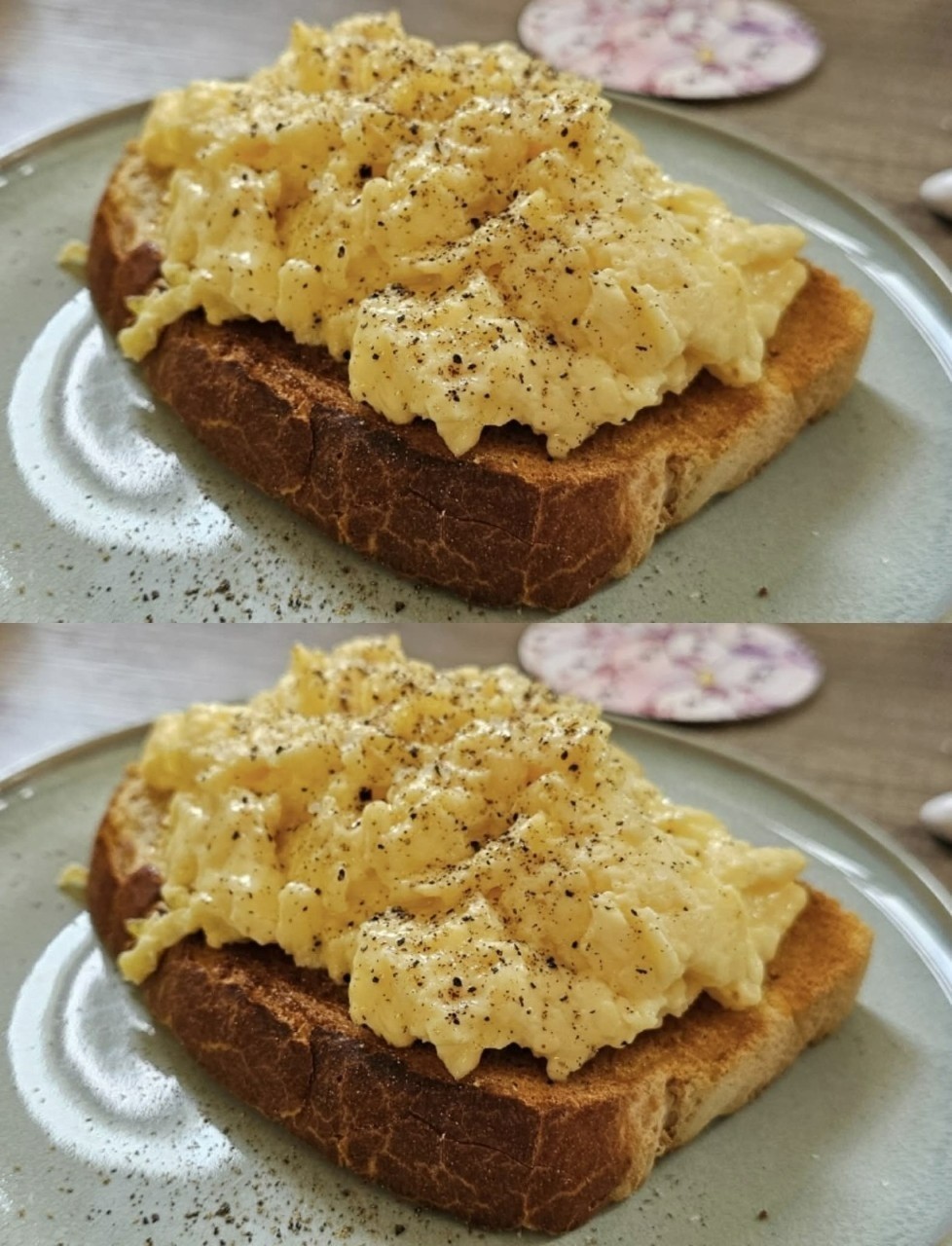
Transfer to a warm plate immediately. Let rest for 30 seconds. Grind fresh pepper over the top.
The Visual Cues for Perfection
Perfect: Large, soft, glossy, yellow curds. A tender, custardy texture that mounds gently on the plate.
Overcooked: Small, firm, dry, pale curds. A rubbery, bouncy texture that leaks water (this is called syneresis).
Pro-Tips to Elevate Your Eggs
The Double-Boiler Method (For Ultimate Luxury): Cook the eggs in a heatproof bowl set over a pot of simmering water, stirring constantly. This provides the most gentle, even heat imaginable for a custard-like texture.
The Gordon Ramsay Touch: Follow the method above, but finish with a dollop of cold creme fraiche and a sprinkle of fresh chives.
Pan Choice is Key: Avoid cast iron for scrambled eggs—it holds too much heat and makes delicate temperature control difficult.
Never Add Liquid After Cooking: Adding milk or cream at the end just makes them watery.
Troubleshooting: What Went Wrong?
Watery Eggs: Heat was too high, cooking the proteins too fast and forcing moisture out. Or, cheap eggs with high water content.
Rubbery Eggs: Heat was too high and/or they were stirred too aggressively, breaking curds into tiny, tough pieces.
Gray-Green Color: Overcooking causes a reaction between iron in the yolks and sulfur in the whites. A sign of too-high heat or cooking too long.
Conclusion: The Humble Art of Mastery
Perfect scrambled eggs are a lesson in patience, attention, and gentle control. They reward the cook who is willing to slow down and engage with the process. Once you internalize the rhythm of low heat and patient folding, you'll produce creamy, glorious eggs that need no garnish but perhaps a moment of quiet appreciation.
Remember: Great scrambled eggs are not made. They are coaxed.